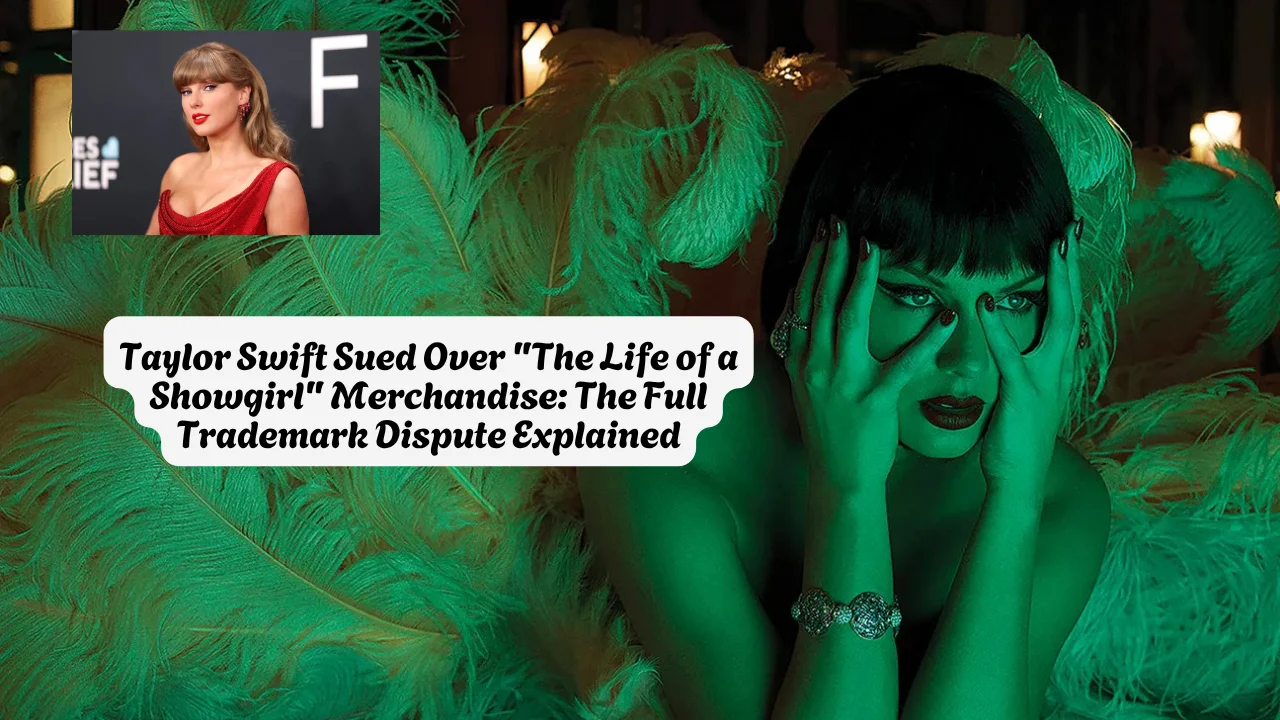
Taylor Swift Sued: Understanding the 'Showgirl' Trademark Challenge
In a legal development that has sent ripples through the entertainment industry, pop superstar Taylor Swift is facing a significant Taylor Swift merchandise lawsuit over alleged trademark infringement. The dispute centers on her album, “The Life of a Showgirl,” and its accompanying, extensive line of merchandise. The plaintiff, Las Vegas performer Maren Wade, asserts that Swift's entire album brand, from its name to its glittery aesthetic, directly infringes upon a trademark she has meticulously built and legally protected for over a decade.
What makes this case particularly compelling is the revelation that the U.S. Patent and Trademark Office (USPTO) had already weighed in on the matter, refusing Swift’s own trademark application for "The Life of a Showgirl" months before the lawsuit was formally filed. This prior decision lends considerable weight to Wade’s claims and raises critical questions about intellectual property protection in an era of global celebrity branding.
The Heart of the Matter: A Clash of 'Showgirl' Brands
At the core of this legal battle is the perceived collision between two distinct brands, both utilizing the evocative term "Showgirl." While one belongs to a global phenomenon, the other is the lifeblood of a seasoned performer.
Who is Maren Wade? Unpacking the Plaintiff's Case
Maren Wade, who performs professionally as Maren Flagg, is not a new face to the entertainment scene. For over a decade, she has cultivated a robust brand around the name "Confessions of a Showgirl." This journey began in 2014 as a weekly column for Las Vegas Weekly, where Wade shared her experiences as a performer in the city's vibrant entertainment industry. This column evolved into a live show, a touring production, a published book, and a podcast, all under the "Confessions of a Showgirl" banner.
Crucially, Wade holds a federally registered trademark for "Confessions of a Showgirl." This isn't merely a social media handle or a catchy phrase; it's a legally recognized and recorded mark by the U.S. government, specifically covering entertainment services in the exact commercial space as Swift’s album rollout. Wade’s complaint powerfully articulates that while Swift’s business success is multifaceted, "Confessions of a Showgirl" is Wade’s sole trademark and the fundamental basis of her entire professional identity and career. "It is not one mark among hundreds," the complaint states. "It is the only one she has." This contrasts sharply with Swift's extensive trademark portfolio, reportedly boasting over 170 active or pending registrations for various brand elements.
Taylor Swift's "Life of a Showgirl" Rollout and Merchandise Empire
To fully grasp the magnitude of the alleged infringement, one must understand the sheer scale of Swift's "The Life of a Showgirl" commercial launch. The album's visual identity is distinctly built around a glittery, art deco, feathered showgirl aesthetic. This imagery wasn't confined to album art; it was meticulously applied across a vast merchandise line that included candles, drinkware, accessories, and clothing – precisely the types of commercial goods targeted by Wade’s lawsuit. The album itself was released in multiple formats, including 11 CD editions, eight vinyl variants (with 1.6 million copies sold, making it the best-selling vinyl release of 2025), and various digital versions, all supported by an expansive merchandise collection.
The global reach of Swift’s branding effort stands in stark contrast to Wade’s regional, niche presence. However, as legal experts often point out, the disparity in commercial scale does not diminish the legal rights associated with a federally registered trademark. Wade is now seeking a federal judge to impose an injunction, effectively "dropping the curtain" on the sale of drink tumblers, brushes, and any other merchandise bearing Swift’s "The Life of a Showgirl" album title while the case unfolds. This is a significant move in any Taylor Swift merchandise lawsuit, highlighting the direct financial impact on both parties.
Understanding Trademark Law and the USPTO's Role
The core strength of Maren Wade's case lies in her federally registered trademark and the USPTO's prior decision. Understanding these elements is crucial to appreciating the legal landscape of this dispute.
The Significance of USPTO Refusal
In November 2025, months before Wade filed her federal lawsuit on March 30, 2026, the USPTO formally refused Taylor Swift's trademark application for "The Life of a Showgirl." This refusal was not arbitrary; it was based on a risk of confusion with Wade’s pre-existing and incontestable "Confessions of a Showgirl" mark, registered since 2015. The USPTO, as the expert body on intellectual property in the U.S., determined that the two marks were sufficiently similar in appearance, sound, or meaning, and that the goods or services associated with them were related enough to cause consumer confusion.
This pre-emptive warning from the USPTO is a powerful piece of evidence in Wade’s favor. It suggests that Swift and her team were aware of the potential for infringement yet proceeded with the album and merchandise rollout, including plans for a 2026 tour, under the disputed title. This context is critical in a Taylor Swift merchandise lawsuit, as it speaks to potential intent and disregard for established intellectual property rights.
Disparity in Reach vs. Legal Rights
While Taylor Swift's brand is global and her commercial reach immense, Maren Wade’s is primarily regional and niche. However, trademark law is designed to protect all legitimate brand owners, regardless of their market size. A federally registered trademark provides its owner with exclusive rights to use that mark in connection with the specified goods and services across the entire U.S. This protection is a cornerstone of intellectual property law, ensuring that smaller creators and businesses can build their brands without fear of larger entities co-opting their identity.
The lawsuit reminds us that the rule of law applies equally, protecting everyday creators from celebrity overreach. The question isn't solely about who is bigger, but who established and legally protected their mark first in the relevant commercial space.
Key Takeaways for Businesses and Creators
This high-profile Taylor Swift merchandise lawsuit offers valuable lessons for businesses and individual creators alike:
- Prioritize Trademark Registration: Maren Wade's federal trademark registration is the bedrock of her case. It provides robust legal standing and a clear record of her ownership. For any creator or business, registering your brand name, logo, or slogan with the USPTO should be a priority.
- Conduct Thorough Trademark Searches: Before launching any new product, service, or brand identity, conduct comprehensive trademark searches. This can help identify potential conflicts early, preventing costly legal battles down the line. Swift's team likely conducted a search, but the USPTO's refusal indicates the inherent risk of similar marks.
- Respect Existing Intellectual Property: Even if you are a global brand, it is paramount to respect the intellectual property rights of others. Ignoring USPTO warnings or existing trademarks can lead to significant legal and reputational damage.
- The Power of a Federal Mark: A federally registered trademark, especially one with incontestable status like Wade's, provides a powerful shield. It serves as constructive notice to the public of your ownership and can deter potential infringers.
- Document Everything: Maren Wade's decade-long history of building her "Confessions of a Showgirl" brand through columns, shows, books, and podcasts provides concrete evidence of her prior use and investment in the mark. Consistent documentation of brand development and use is invaluable in trademark disputes.
Conclusion
The Taylor Swift merchandise lawsuit initiated by Maren Wade is more than just a celebrity legal battle; it's a stark reminder of the vital role trademark law plays in protecting creativity and commerce. It underscores that even the most globally recognized artists must navigate the legal landscape of intellectual property, and that a smaller, established brand with a legally protected mark holds significant power. As this case unfolds, it will undoubtedly set precedents and offer further insights into trademark enforcement in the digital age, particularly concerning the expansive commercialization of artistic works and their accompanying merchandise. The outcome will be closely watched by creators, legal experts, and fans alike, eager to see how the rule of law protects individual creators against the vast machinery of a pop culture empire.