USPTO's Warning Ignored: The 'Showgirl' Merchandise Lawsuit Against Taylor Swift
In a legal saga that has captivated both the entertainment and intellectual property worlds, pop music icon Taylor Swift finds herself at the center of a high-stakes trademark infringement lawsuit. The plaintiff, Las Vegas performer Maren Wade, alleges that Swift’s “The Life of a Showgirl” album, its entire brand identity, and especially its extensive line of merchandise, directly infringes upon her federally registered “Confessions of a Showgirl” trademark. What makes this Taylor Swift merchandise lawsuit particularly compelling is not just the celebrity involved, but the crucial detail that the U.S. Patent and Trademark Office (USPTO) had already sided with Wade, refusing Swift’s own trademark application months before the lawsuit was even filed. This isn't just a battle over a name; it's a critical test of intellectual property rights, highlighting how even the biggest stars are subject to the rule of law.
The Genesis of a Conflict: 'Confessions' vs. 'The Life'
At the heart of this legal dispute is a stark contrast between two careers built around a singular, evocative phrase. Maren Wade, known professionally as Maren Wade, has meticulously cultivated her brand, "Confessions of a Showgirl," for over a decade. Her journey began in 2014 with a weekly column for Las Vegas Weekly, chronicling her unique experiences as a performer in the city's vibrant entertainment scene. This foundation blossomed into a live show, a touring production, a published book, a podcast, and crucially, a federally registered trademark since 2015. Wade's mark is not just a casual social media handle; it is a legally recognized, incontestable trademark covering entertainment services—the exact commercial arena Swift’s album has entered.
Conversely, Taylor Swift, a global phenomenon with a reported portfolio of over 170 active or pending trademarks, released her album “The Life of a Showgirl” in 2025. While Swift's business success is multifaceted and not reliant on a single designation, Wade's complaint starkly emphasizes that "Confessions of a Showgirl" is her *only* trademark and the entire bedrock of her professional identity. This disparity underscores the profound impact alleged infringement could have on Wade's career, unlike the marginal effect it might have on Swift’s colossal empire.
The USPTO's Crucial Precedent: An Early Warning to Swift
Perhaps the most damning aspect of the lawsuit for Swift’s defense is the USPTO’s prior intervention. In November 2025, months before Wade filed her federal lawsuit, the U.S. Patent and Trademark Office officially *refused* Swift’s trademark application for ���The Life of a Showgirl.” The reason was clear and unequivocal: a significant risk of confusion with Maren Wade’s existing and senior “Confessions of a Showgirl” trademark. This isn't merely an opinion; it’s an official determination by the federal body responsible for intellectual property, indicating that the two marks are too similar and likely to mislead consumers about the origin of goods or services.
Despite this explicit warning from a governmental authority, Swift, UMG Recordings, and their merchandising affiliates allegedly continued to utilize the "The Life of a Showgirl" mark across a vast commercial rollout, even planning a 2026 tour under the disputed title. This continuation, post-refusal, forms a critical pillar of Wade's legal argument, suggesting a deliberate disregard for established intellectual property rights. For any business, large or small, a USPTO refusal serves as a flashing red light; proceeding despite such a warning carries substantial legal risk and liability.
The Global Reach of Swift's 'Showgirl' Aesthetic and the Merchandise at Stake
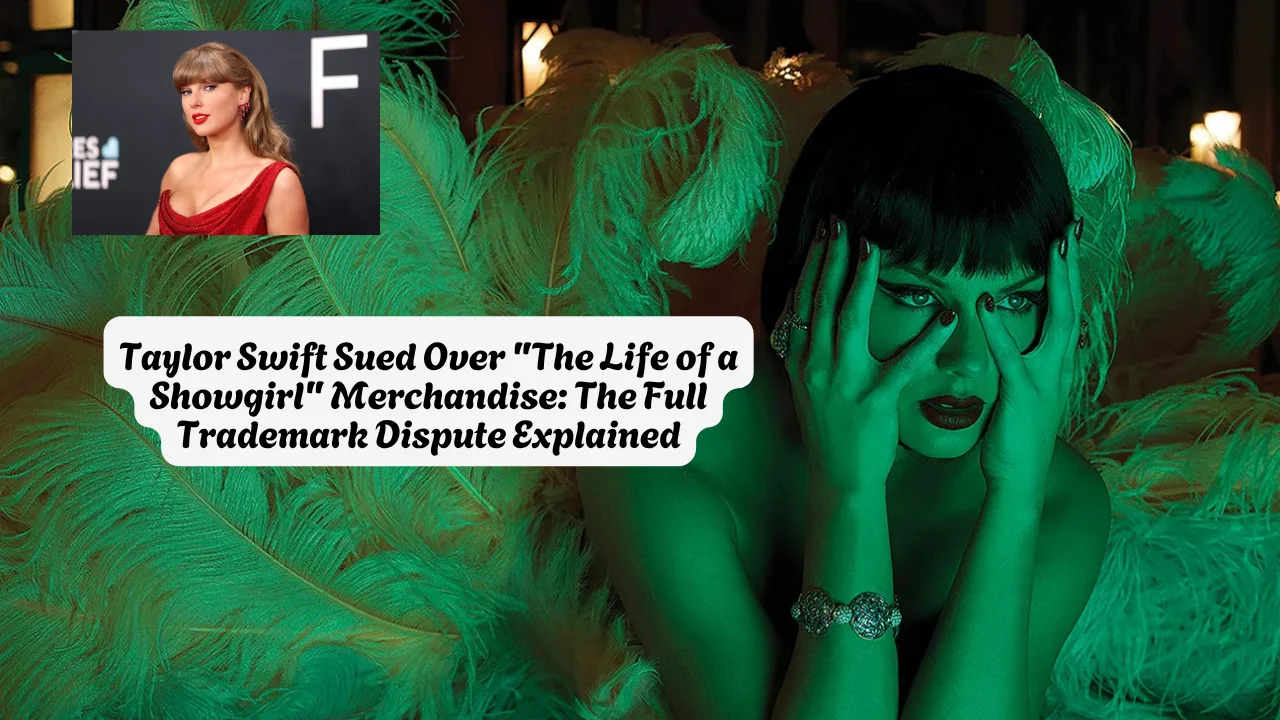
The scale of Taylor Swift's "The Life of a Showgirl" commercial rollout is truly immense, reaching a global audience. The album's visual identity is saturated with a distinctive glittery, art deco, feathered showgirl aesthetic, a theme that pervades every aspect of its promotion. This aesthetic has been extensively applied across a massive merchandise line, including items such as candles, specialized drinkware, various accessories, and a wide array of clothing—precisely the types of commercial goods that Maren Wade’s lawsuit targets. The album itself was released in multiple formats, boasting at least 11 CD editions, eight distinct vinyl variants, and numerous digital versions, achieving phenomenal success as the best-selling vinyl release of 2025 with 1.6 million copies sold in that format alone.
Wade's complaint specifically seeks an injunction, asking a federal judge to "drop the curtain" on the sale of any drink tumblers, brushes, and other merchandise bearing Swift’s “The Life of a Showgirl” album title while the legal proceedings unfold. This immediate halt is crucial for Wade, as the overwhelming commercial reach of Swift's branding, though global compared to Wade's regional and niche market, threatens to entirely overshadow and dilute her established mark. The very disparity in scale is often why trademark law intervenes, to protect the smaller, established brand from being effectively erased by a larger, later entrant. For a deeper dive into the specifics of the products challenged, see Maren Wade vs. Taylor Swift: Showgirl Trademark Battle Explained.
Beyond the Headlines: Implications for Creators and IP Protection
This Taylor Swift merchandise lawsuit extends far beyond the two parties involved, sending crucial messages to independent creators and multinational corporations alike about the sanctity of intellectual property. It serves as a potent reminder that trademark law is designed to protect all brand owners, irrespective of their fame or financial might.
- For Emerging Creators: The Power of Early Registration
Maren Wade's diligent efforts to federally register "Confessions of a Showgirl" in its nascent stages proved to be her strongest defense. This case underscores the vital importance of pursuing trademark registration *early* in your brand's development. Don't wait until you're a household name; securing your intellectual property rights upfront provides a robust legal shield against future infringement and confusion. A registered trademark is a tangible asset that can be enforced in court, offering peace of mind and protecting your creative investment. - For Established Entities: The Non-Negotiable Necessity of Due Diligence
Even for a behemoth like Taylor Swift's enterprise, comprehensive due diligence is non-negotiable. The USPTO's explicit refusal should have been a definitive signal to halt or significantly alter the "The Life of a Showgirl" branding. Ignoring such official warnings, regardless of resources, can lead to costly litigation, potential injunctions, and significant reputational damage. A thorough trademark search and legal review are not expenses; they are critical investments in long-term brand health and legal compliance. - The Principle of Equal Application:
This case reinforces the principle that the rule of law applies equally to everyone. It demonstrates that trademark protection isn't just for the largest corporations with vast legal teams, but also for individual creators who have built their careers around a singular, protected mark. The legal system provides avenues for redress, ensuring that established rights are respected, preventing celebrity overreach from eroding the foundations of independent artistry.
Practical Advice: Safeguarding Your Brand
Whether you're an aspiring artist, an entrepreneur, or a seasoned brand manager, the "Showgirl" lawsuit offers valuable lessons:
- Conduct Thorough Searches: Before launching any new brand, product, or service, perform comprehensive trademark searches. Don't rely solely on a Google search; use professional databases like the USPTO's TESS system and consider hiring a trademark attorney for a clearance search.
- Register Your Marks: If your brand is commercially significant, pursue federal trademark registration. This offers nationwide protection and public notice of your ownership.
- Monitor and Enforce: Once registered, actively monitor the marketplace for potential infringements and be prepared to enforce your rights. Ignoring infringement can weaken your mark over time.
- Heed Official Warnings: Pay close attention to any communications from the USPTO or other intellectual property bodies. Ignoring a refusal or opposition can escalate disputes significantly.
Conclusion
The Taylor Swift merchandise lawsuit involving Maren Wade’s “Confessions of a Showgirl” trademark is more than just a celebrity legal battle; it’s a powerful illustration of intellectual property law in action. With the USPTO having already weighed in, the plaintiff's case holds significant traction, challenging the very commercial identity of Swift's album and its lucrative merchandise line. This case serves as a stark reminder that even the most famous individuals and powerful companies must respect the established rights of smaller creators. It underscores the critical importance of trademark protection, due diligence, and the principle that the law protects against consumer confusion, ensuring a fair and equitable marketplace for all.